笔墨承文脉,匠心映时代。在中华艺术星河中,朱源逢先生以数十年深耕践行初心,于尺幅画卷间藏古今之韵,在笔墨流转中赋时代之魂。他兼收传统精髓与现代意趣,以沉厚功底铸独特风骨,用作品传递文化温度与精神力量。本期《人民艺术——2025年度艺术家影响力榜》,聚焦朱源逢先生,探寻其笔墨背后的艺术坚守与时代担当。

朱源逢,笔名又叫朱柏承,福建尤溪人,迁居广东。2014年荣宝斋艺术品重点推荐画家,专注大写意山水,花鸟,人物。在大写意创作上,形成自己别具一格的画风,坚持让每一幅画都有独特的韵味。受到独具慧眼的收藏家欢迎与收藏。

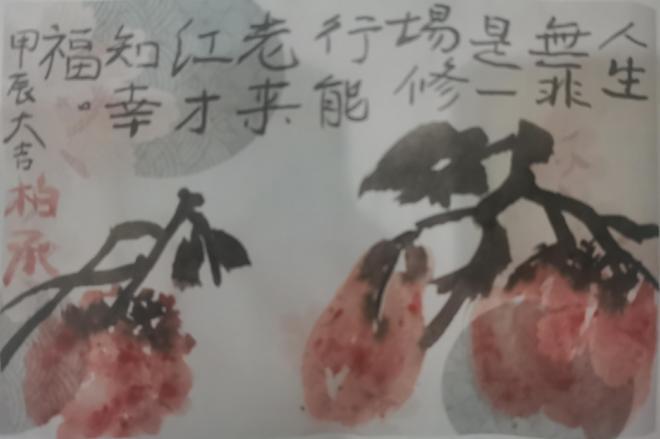
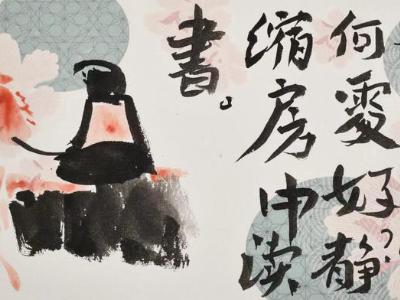
朱源逢的这些作品是当代文人画创作中“守本开新”的鲜活样本,既锚定了传统文人画的精神内核,又以突破性的笔墨语言回应了当下的审美语境,展现出独特的艺术价值。从笔墨传统的承续来看,作品深植于文人画的笔墨基因:“写”的内核被牢牢把握——无论是枯笔皴擦的树木、泼墨写意的花卉,还是率性挥洒的书法题跋,皆以毛笔的“骨法用笔”为基底,线条的粗细、疾缓、浓淡间,藏着文人画“以书入画”的文脉,比如枝干的用笔兼具篆隶的朴拙与行草的灵动,既守着笔墨的“书写性”传统,又不失写意的意趣;“诗书画印”的文人画范式被自然延续,每幅作品皆以题跋传递心境、以印章收束气韵,题字的内容或抒怀、或言志,与画面意象形成“画为形、文为魂”的互文,比如“冬寒心暖何爱静好,缩房中读”的题句,让水墨形象跳出视觉层面,转而承载文人式的精神寄托,是传统文人画“以画载道”的当代实践。而其开创性更值得瞩目,它打破了传统文人画的审美惯性,为当代文人画注入了新的表达维度:一方面是笔墨语言的当代转化——传统文人画的笔墨多求“雅逸”,而这些作品以“粗笔重墨”重构视觉张力,比如大笔触的水墨块面、饱和浓烈的设色(如朱砂色的花卉),在“写意”的基础上融入表现性的笔触,既保留了水墨的氤氲质感,又以强烈的视觉冲击适配当代空间的审美需求;另一方面是形式语言的跨界融合,部分作品以浅淡的几何纹样、淡彩肌理作为背景,将传统水墨与现代平面构成元素并置,既未消解文人画的写意性,又以“古今混搭”的视觉节奏,搭建起传统文人审美与当代视觉经验的沟通桥梁。朱源逢之所以取得这样的成就,除了自己的人生经历丰富、勤奋好学之外,也和他善于借古开今,从古今名师那里取法借鉴有关,从吴昌硕的刚健雄浑到李可染的厚重磅礴,从到黄宾虹的繁复细腻到齐白石的市井雅趣都在他的师法谱系之中。而与之亦师亦友的著名理论家、画家邵大箴先生则更是从艺术史的高度对其点拨指导,充盈了他的艺术观念。

更可贵的是,这些作品守住了文人画“以画寄情”的精神底色:画面中的物象并非单纯的自然摹写,而是创作者心境的投射——树木的苍劲、花卉的热烈、孤坐的意态,皆带着个人化的情绪温度,这正是文人画“物我合一”的核心;而题跋中的文字,又将这种个人情绪升华为普适性的精神共鸣,让作品在“当代性”的形式包裹下,依然保有文人画特有的人文质感。总体而言,这批作品既是对文人画笔墨传统的创造性继承,也是对当代文人画语言边界的拓展——它证明文人画不必困于“古雅”的既定范式,在守住“文心”与“笔墨”的根基后,依然能以开放的姿态对接当代审美,为传统画种的当代生长提供了可借鉴的路径。

Respecting Tradition Without Being Bound by It; Concise in Brushwork Yet Profound in Connotation
The works of Zhu Yuanfeng stand as vivid exemplars of "upholding the essence while fostering innovation" in contemporary literati painting. Rooted firmly in the spiritual core of traditional literati painting, they respond to the aesthetic context of the present day through groundbreaking ink-wash techniques, thus embodying distinctive artistic value.
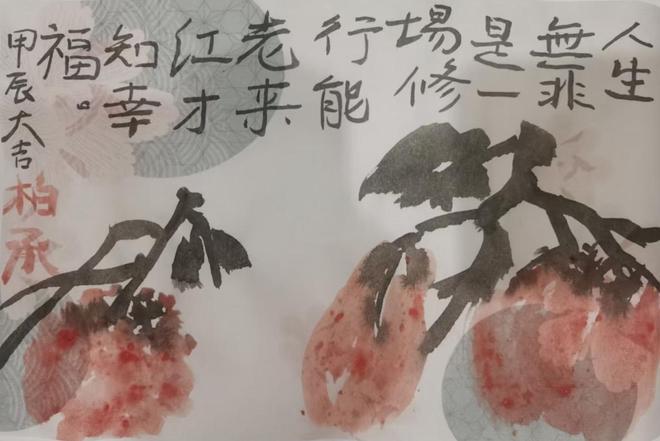
In terms of inheriting the traditions of brush and ink, these works are deeply grounded in the fundamental genes of literati painting. The core principle of xie (expressive writing) is faithfully preserved—whether it be the trees rendered with dry brush strokes and texturing, the flowers depicted in bold splashes of ink, or the free-spirited calligraphic inscriptions, all are founded on the gufa yongbi (classical methods of brush application). The variations in line thickness, speed, and ink density embody the cultural lineage of literati painting where "calligraphy informs painting". For instance, the brushwork used for tree branches combines the simplicity and ruggedness of seal and clerical scripts with the fluidity and vitality of running and cursive scripts, retaining the traditional "expressiveness of writing" in brushwork while exuding the charm of freehand brushwork.

The paradigmatic integration of shi, shu, hua, yin (poetry, calligraphy, painting, and seal carving) in literati painting is naturally sustained. Each piece conveys the artist’s inner mood through inscriptions and concludes with seal impressions to harmonize the artistic momentum. The content of the inscriptions, whether lyrical or aspirational, forms an intertextual relationship with the imagery of the painting, creating a dynamic where "painting serves as the form and literature as the soul". A case in point is the inscribed line: "Though winter chills, the heart remains warm—how I cherish this quiet repose, confined indoors to read". This line elevates the ink-wash imagery beyond mere visual representation, transforming it into a vessel for literati-style spiritual sustenance, and represents a contemporary practice of the traditional literati painting tenet that "painting conveys the Dao".

What is even more remarkable is their pioneering nature—they break free from the aesthetic conventions of traditional literati painting and inject new dimensions of expression into its contemporary iteration. On one hand, it involves the modern transformation of brush and ink language: traditional literati painting tends to pursue elegance and serenity, yet these works reconstruct visual tension through "bold, heavy brushwork and dense ink". For example, large blocks of ink-wash and saturated, vibrant colors (such as cinnabar-hued flowers) incorporate expressive brushstrokes into freehand brushwork, retaining the misty, ethereal texture of ink-wash while delivering a strong visual impact that aligns with the aesthetic demands of contemporary spatial environments. On the other hand, it entails the cross-disciplinary integration of formal language: some works employ subtle geometric patterns and light color textures as backgrounds, juxtaposing traditional ink-wash with modern principles of planar composition. This approach does not dilute the freehand spirit of literati painting; instead, it creates a visual rhythm of "ancient-modern fusion", building a bridge between traditional literati aesthetics and contemporary visual experiences.

Zhu Yuanfeng’s achievements stem not only from his rich life experiences and diligent pursuit of knowledge but also from his adeptness at drawing inspiration from the past to innovate for the present, learning from renowned masters across ancient and modern times. His artistic lineage encompasses the robust and vigorous style of Wu Changshuo, the profound and majestic manner of Li Keran, the intricate and delicate touch of Huang Binhong, and the refined charm of urban life captured by Qi Baishi. Moreover, the renowned art theorist and painter Shao Dazhen, who maintains a mentor-friend relationship with Zhu, has guided him from the perspective of art history, enriching his artistic philosophy.
More notably, these works uphold the spiritual essence of literati painting: "expressing emotions through painting". The objects depicted in the paintings are not mere imitations of nature but projections of the artist’s inner state—the ruggedness of the trees, the exuberance of the flowers, and the solitary postures all carry the warmth of personal sentiment, embodying the core literati ideal of wu wo he yi (the unity of object and self). Furthermore, the inscriptions elevate these personal emotions into universal spiritual resonance, ensuring that beneath their contemporary formal exterior, the works retain the distinctive humanistic quality inherent to literati painting.

In summary, this body of work represents both a creative inheritance of the brush and ink traditions of literati painting and an expansion of the linguistic boundaries of contemporary literati painting. It demonstrates that literati painting need not be confined to the established paradigm of "classical elegance"; by upholding the foundational principles of "literati spirit" and "brush and ink", it can still engage with contemporary aesthetics in an open-minded manner, providing a replicable path for the contemporary development of this traditional art form.
Text by Liang Shuhan, Ph.D in Art History